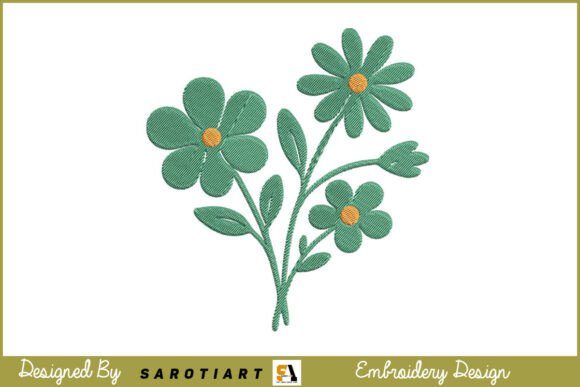
Modern Minimalist Flower Embroidery
A Designer’s First Look: Clean, Calm, and Confidently Simple
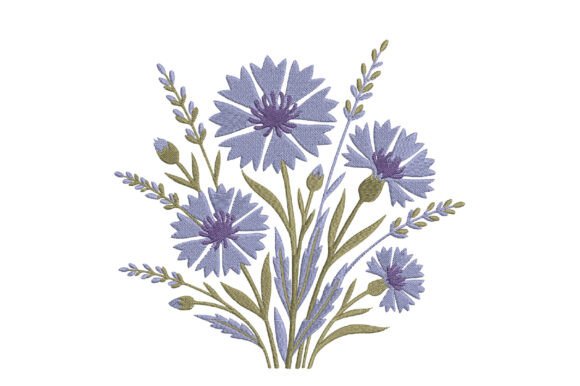
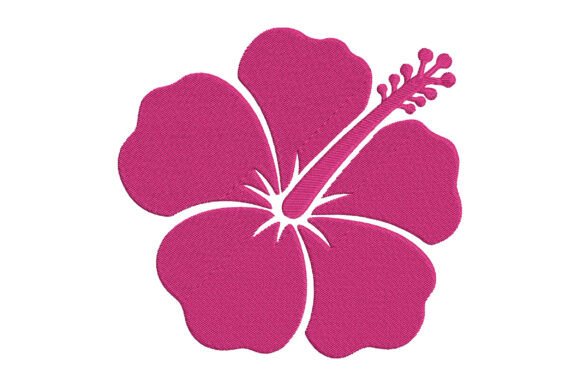
When I opened the Modern Minimalist Flower Embroidery file for the first time, I didn’t see fussy petals or busy outlines—I saw breathing room. The shape is a single, gently asymmetrical bloom with three soft, open petals and a subtle center dot. No heavy satin stitch borders, no dense fill layers—just thoughtful negative space and balanced line weight. It feels like a quiet exhale in a world of overdesigned motifs. That’s not just aesthetic preference; it’s functional intelligence. This isn’t a design that shouts—it invites. And for small business owners stitching personalized gifts or boutique merchandise, that kind of restraint builds instant trust.
Real-World Test: A Custom Tote Bag for a Local Bakery
Last week, I used the Modern Minimalist Flower Embroidery on a natural linen tote for a neighborhood sourdough bakery. We placed it centered on the front panel, about 3.5 inches tall. The result? Crisp, legible, and quietly elegant—no bleeding, no puckering, even across the fabric’s slight weave variation. Customers noticed it immediately—not as “embroidery,” but as *part* of the bag’s identity. That’s the power of this design: it doesn’t compete with your product; it elevates it. Whether you’re an Etsy seller listing handmade totes or a craft fair vendor building repeat buyers, that subtlety translates directly into perceived value.
Where It Shines (and Where It Asks for Attention)
The Modern Minimalist Flower Embroidery performs exceptionally well on stable, medium-weight fabrics: cotton tees, canvas totes, twill aprons, and baby onesies. Its clean lines hold up beautifully on sweatshirt embroidery—especially when paired with matte thread colors like heather grey or oatmeal. As a single flower motif, it’s ideal for placements where impact matters more than complexity: above a pocket, near a hem, or centered on a pillow cover.
But here’s what I watched closely—and recommend you do too:
- Small hoop sizes: The design fits comfortably in a 4x4 hoop, but avoid pushing it into anything smaller. Fine petal tips may lose definition if scaled down aggressively.
- Textured or stretchy fabric: On terry cloth towels or lightweight knits, use cutaway stabilizer—not tear-away. The minimal stitch count means less anchoring; stability is non-negotiable.
- Dark or layered garments: On black sweatshirts or double-layered baby blankets, test thread contrast first. A light ecru or soft sage reads clearly; white can glare. Never assume.
- Curved surfaces (caps, curved pockets): While it’s not an applique design, the low stitch density helps—but still require precise hooping and possibly a cap frame. Don’t skip the test run.
What This Design Does for Your Craft Business
Let’s be real: as a designer and embroidery product reviewer, I’ve seen hundreds of floral motifs. Most either vanish into background noise or overwhelm the item they’re meant to enhance. The Modern Minimalist Flower Embroidery avoids both traps. Its visual clarity means customers recognize it instantly—even in thumbnail photos on Etsy or Instagram. That boosts click-throughs and conversion. Its simplicity also makes it adaptable: pair it with a monogram for personalized gifts, group three variations for a kitchen towel set, or scale it subtly for nursery decor.
For digital product sellers, this is strong design assets material. It works cleanly in printable mockups—no pixelation, no detail loss at common preview sizes. For apparel decorators, it stitches fast without sacrificing polish, keeping turnaround times tight. And for handmade product makers? It signals intentionality. A customer buying a hand-embroidered tea towel with this motif isn’t just buying utility—they’re buying calm, care, and quiet confidence.
Practical Notes Every Embroiderer Should Check Before Stitching
This isn’t just about loading a file and hitting start. Here’s how I vet any machine embroidery design, especially one as deceptively simple as Modern Minimalist Flower Embroidery:
- Run a test on scrap fabric matching your final project’s weight and texture.
- Check thread color contrast on both light and dark backgrounds—don’t rely on screen previews alone.
- Review stitch density: low density is great for breathability but demands proper stabilizer choice.
- Confirm hoop size compatibility—some versions may include multiple sizes; verify which you’re using.
- Inspect fine details under magnification: are petal ends crisp? Is the center dot fully stitched, not just implied?
- Test in black-and-white mockups: if it holds up without color, it’ll age well in your shop listings.
- Use the right stabilizer for your fabric—especially critical for baby embroidery or holiday embroidery meant for frequent washing.
- Double-check licensing terms before selling finished items or bundling the digital embroidery file with other design assets.
Final Thought: Less Isn’t Just Minimal—It’s Meaningful
In a market flooded with ornate florals and overworked motifs, the Modern Minimalist Flower Embroidery stands out by stepping back. It doesn’t need embellishment because it’s already complete—thoughtfully composed, technically sound, and emotionally resonant. Whether you’re stitching a custom embroidered patch for a school fundraiser, designing a signature tote for your small shop product line, or creating holiday embroidery for clients who value authenticity over flash, this design delivers quiet professionalism. It’s the kind of motif that makes people pause, smile, and say, “I want that.” Not because it’s loud—but because it feels true.