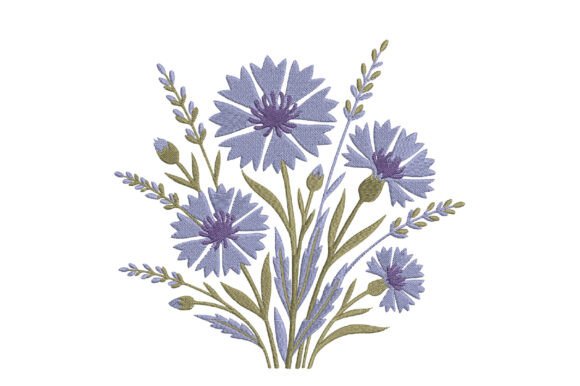
Lavender Wildflower Embroidery Design
First Impressions: Delicate, Not Dainty — A Botanical Mood That Lands
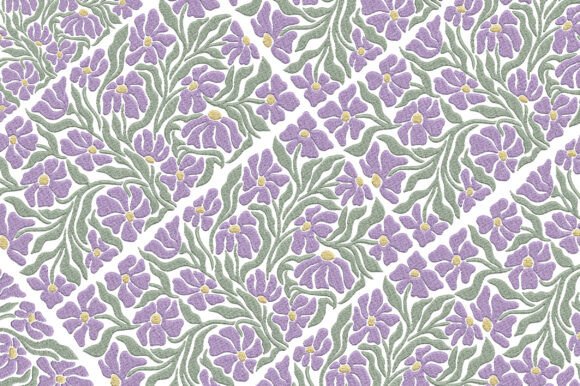
When I opened the Lavender Wildflower Embroidery Design file, what struck me wasn’t just prettiness—it was intention. This isn’t a generic floral filler; it’s a quiet, grounded composition with asymmetrical balance, soft curves, and breathing room between stems and blooms. The botanical elements—slender leaves, subtle buds, and open lavender florets—feel studied, not stylized. It leans into elegance without stiffness, making it ideal for handmade products where authenticity matters more than flash.
A Real Project in Mind: That Custom Linen Tote Bag You’ve Been Planning
I pulled this design last week for a small-batch linen tote bag order—six pieces for a local herbalist’s pop-up shop. The client wanted “calm but memorable,” something that whispered apothecary, not shout boutique. Lavender Wildflower Embroidery Design landed perfectly centered on the front panel, about 4.2" wide. On natural linen, the stitch definition held beautifully: satin stitches wrapped the main stems cleanly, fill stitches in the flower clusters stayed airy (not muddy), and the running-stitch vines added movement without visual clutter. Customers paused to trace the outline with their fingers—not because it was flashy, but because it felt *considered*.
Where It Shines (and Where It Asks for Thought)
This machine embroidery design thrives on medium-weight, stable fabrics: cotton twill aprons, midweight sweatshirt fleece, brushed poly-cotton tea towels, and structured baby bodysuits. It reads well at 3.5–5" widths—ideal for embroidered patches, pillow covers, or the chest area of a relaxed-fit dress. As a single flowers design, it avoids overcrowding while still offering enough detail to justify its presence on a premium handmade product.
But—and this is where experience kicks in—it doesn’t forgive shortcuts. On thin, loosely woven cotton (think lightweight summer tees), the fill stitch density can telegraph through to the back unless you use tear-away + cut-away stabilizer layered. On dark fabric, especially charcoal or navy, test your thread colors early: light lavender thread loses dimension, while heather-gray or soft mauve holds shape and depth better. And avoid placing it directly over seams or curved areas like cap fronts—the vine-like flow gets distorted if the hoop can’t sit flat.
What It Does for Your Craft Business (Beyond Just Looking Nice)
As an Etsy seller and small shop owner myself, I pay attention to how a design affects buyer trust. Lavender Wildflower Embroidery Design feels *hand-finished*, even when stitched by machine. That perception lifts perceived value—customers describe it as “thoughtful,” “soothing,” “like it belongs in a slow-living brand.” It supports brand consistency for makers leaning into wellness, botanical, or minimalist aesthetics. It also photographs exceptionally well in natural light, which means your printable mockups convert better, your Instagram flat lays feel cohesive, and your holiday embroidery listings stand out among busier, trend-chasing designs.
Design Notes I Jotted Mid-Stitch (Because Real Work Isn’t Perfect)
- Test on scrap first—always. Linen reacted differently than quilting cotton: slightly more puckering on long satin runs, so I swapped to a lighter stabilizer weight and slowed my machine speed by 15%.
- Check corners and tips. The smallest lavender bud has fine stem detail—on stretchy knit fabric, those threads frayed unless I added a light topping stabilizer.
- Review stitch density before hooping. This design uses moderate density—not heavy enough to stiffen a baby onesie, but dense enough to hold up on a frequently washed kitchen towel.
- Mock it in black and white. Surprising how much contrast shifts when you remove color—this design maintains legibility, which means it’ll translate cleanly to monochrome branding or embroidered patches.
- Confirm licensing scope. If you’re selling finished items (like that herbalist’s tote bag) or reselling the digital embroidery file as part of a craft bundle, verify commercial use rights. Don’t assume.
Not Just for Spring—A Year-Round Design Asset
I’ve used Lavender Wildflower Embroidery Design across seasons: on cream-colored holiday stockings (paired with tiny silver metallic thread accents), on oatmeal baby blankets (with ecru thread for whisper-soft texture), and even as a subtle chest motif on unisex organic cotton crewnecks for a small shop’s “quiet luxury” capsule collection. Its versatility lies in restraint—not trying to be everything, but doing one mood exceptionally well. It doesn’t scream “gift!”—it invites touch, pause, and recognition. That’s rare in digital embroidery files.
Final Thought: It’s Not About the Design Alone—It’s About the Finished Product You Build With It
What makes Lavender Wildflower Embroidery Design work isn’t just botanical accuracy or balanced layout—it’s how it behaves in real hands and real homes. It stitches cleanly on a home embroidery machine, photographs well for your Etsy listing, holds up after three rounds of gentle washing, and still looks intentional on a garment worn six months later. For craft business owners, that reliability is worth more than any trend. Use it where calm matters: on nursery decor, personalized gifts for new parents, boutique aprons, or custom sweatshirt embroidery for yoga studios. Skip it only if your project demands bold contrast, ultra-minimal line work, or high-speed production on unstable knits. Otherwise? This is one of those embroidery files you’ll return to—not because it’s easy, but because it’s quietly, consistently right.