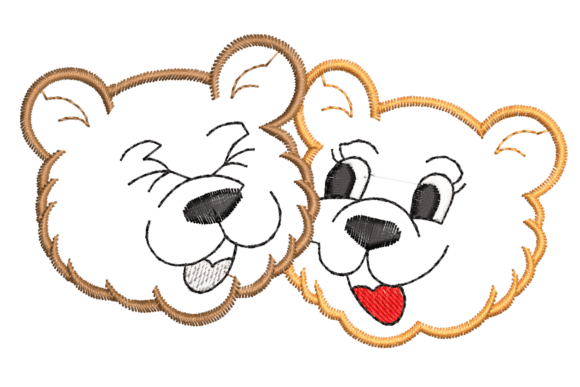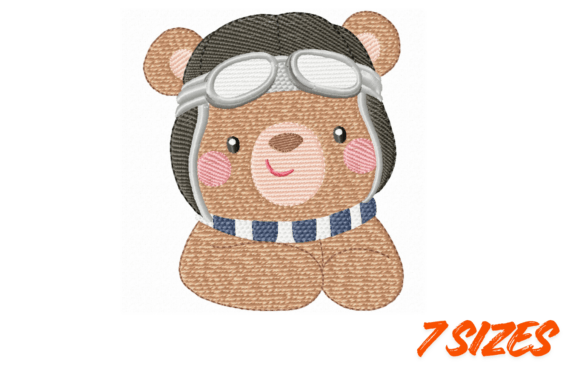
Cute Pilot Bear Embroidery Design
First Impression: Whimsical, Approachable, and Instantly Marketable
As an embroidery designer who’s prepped over 200 craft fair booths—and watched which designs stop foot traffic versus which fade into the background—I opened Cute Pilot Bear Embroidery Design expecting charm. What I got was more: a confident balance of playful personality and clean execution. It reads as cute, yes—but also premium and intentional. The “pilot” detail adds narrative without clutter; it’s not just another teddy bear—it’s a storyteller. That matters on a crowded market table where shoppers scan in under three seconds. This design doesn’t shout, but it leans in with quiet confidence.
Where It Shines: Craft Fair-Ready Product Pairings
Cute Pilot Bear Embroidery Design thrives where warmth meets utility—exactly what handmade shoppers seek at fairs and on Etsy. Here’s how it performs across key categories:
- Tote bag design: Perfect as a centered chest motif or subtle side accent. Its compact scale (likely under 4" wide) avoids overwhelming canvas or linen totes while adding unmistakable character.
- Apron embroidery: Ideal above the pocket or along the bib edge. The pilot theme subtly nods to “homemade with care”—a quiet branding win for foodie makers and small-batch bakers.
- Tea towel embroidery: Works beautifully near the corner or folded hem. Because the design features smooth finishes and balanced stitch density, it won’t snag or stiffen high-lint fabrics like terry-cotton blends.
- Embroidered patch: Highly adaptable—especially when backed with iron-on or sew-on adhesive. Customers love collecting themed patches, and this one bridges baby, nursery, and aviation nostalgia markets.
- Pillow cover & nursery hoop: A natural fit. The soft contours and expressive face translate well to home décor contexts where emotional resonance drives purchase decisions.
- Caps & pouches: Use with caution—see “Careful-Use Notes” below—but absolutely viable on structured caps (with proper digitizing checks) and flat-front fabric pouches where the design anchors the composition.
Real-World Selling Strengths
This isn’t just a cute machine embroidery design—it’s a craft fair product engine. Why?
- At-a-glance clarity: No decoding needed. Even from six feet away, customers recognize “bear + aviator hat = delight.” That immediacy converts browsers into buyers.
- Scale flexibility: While likely optimized for 3–4" hooping, its clean line work and open negative space allow confident resizing down to 2.25" (for patches or tiny pouches) or up to 5" (for pillow covers) without losing integrity.
- Photography-friendly: The charming details—like stitched goggles or tiny wing insignia—pop in natural light. It photographs well on neutral and pastel fabrics, making printable mockup creation fast and consistent for Etsy listings.
- Batch-production friendly: Smooth finishes mean fewer thread breaks and less re-hooping mid-run. As a digital embroidery file, it supports repeatable quality across dozens of tote bags or tea towels—critical when fulfilling fair orders or seasonal inventory.
Careful-Use Notes: Protect Your Production & Reputation
Even high-quality stitch files demand thoughtful execution. Before embroidering your first Cute Pilot Bear Embroidery Design on customer-facing products, consider:
- Dense stitch areas: Check for tight fill sections—especially around the bear’s body or aviator cap. On textured towels or thick denim, these may pucker without proper cutaway stabilizer.
- Tiny details: Goggles, stitching lines, or miniature wings may blur on dark fabric or low-thread-count cotton. Always test on your target fabric with intended thread colors.
- Curved surfaces: Caps and curved pouch seams require precise hooping and possibly reduced density. Don’t assume the file is auto-adapted for 3D surfaces—verify spacing and pull compensation.
- Small lettering (if present): Though not mentioned in the description, if any text is included (e.g., “Fly High”), confirm legibility at your smallest intended size—under 0.25" height risks invisibility.
Design Impact Beyond the Stitch
What makes Cute Pilot Bear Embroidery Design more than decoration? It elevates perceived value. A plain linen tea towel becomes a cherished baby shower gift. A generic canvas tote transforms into a conversation starter. For Etsy sellers and small shop owners, that emotional lift translates directly to higher average order value and repeat engagement. In booth displays, it strengthens brand consistency—especially if paired with other aviation- or animal-themed designs. And because it’s rooted in Teddy Bears (a timeless, cross-generational motif), it avoids trend fatigue. This is a handmade product with staying power—not a flash-in-the-pan novelty.
Embroidery Designer Checklist Before You Cut Fabric
Before launching production—or listing on Etsy—run through these practical steps:
- Test the digital embroidery file on scrap fabric matching your final product’s weight and texture.
- Check thread contrast: Does the bear’s face read clearly against navy, charcoal, or oatmeal? Adjust thread colors if needed.
- Review spacing between elements—especially between cap brim and bear’s ears—to ensure no distortion on stretchy or slippery fabrics.
- Confirm hoop size compatibility with your machine and intended product (e.g., cap frames vs. standard hoops).
- Inspect stitch density visually—look for areas that might cause stiffness or shine on lightweight cotton.
- Choose stabilizer intentionally: tear-away for stable wovens, cutaway for knits or towels, fusible for patches.
- Create at least one real-world mockup—photograph it in daylight, on a shelf, and held in hand—to assess true visual impact.
- Compare fabric colorways: ivory, sage, sky blue, and charcoal all support different moods—know which best aligns with your brand voice.
- Verify commercial licensing terms—this is essential before selling finished products containing the Cute Pilot Bear Embroidery Design.