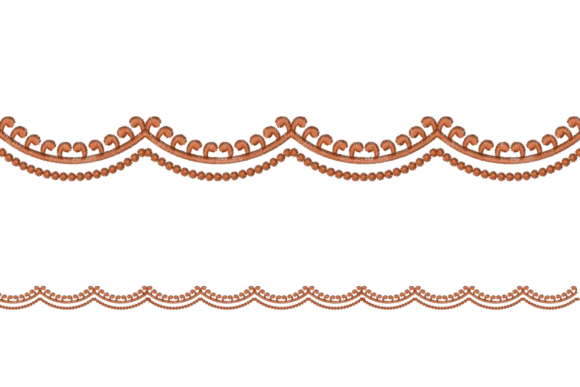
Ornamental Embroidery Borders
First Impressions: Timeless Charm, Thoughtful Craft
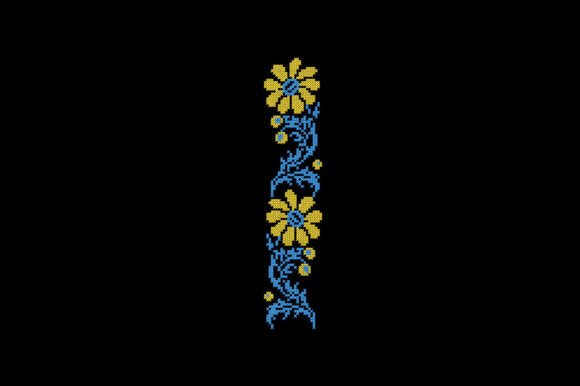
As an embroidery designer who’s stitched thousands of personalized gifts—from baby blankets for first birthdays to wedding keepsakes framed in shadow boxes—I opened Ornamental Embroidery Borders with quiet anticipation. What greeted me wasn’t just another border file—it was a whisper of heirloom intention. The motifs feel both classic and quietly confident: scrolling vines, delicate florals, and subtle geometric flourishes that nod to Victorian lace and Art Nouveau elegance—without tipping into fussy or dated territory. It’s not overly romantic, nor starkly modern. It’s elegant, yes—but more importantly, it’s inviting. That balance makes it ideal for handmade products where emotional resonance matters as much as precision.
Where This Border Truly Shines
Ornamental Embroidery Borders isn’t just decorative—it’s a storytelling device. When placed thoughtfully, it frames meaning. Here’s how it elevates real-world personalized gift applications:
- Baby embroidery: On a soft cotton receiving blanket or muslin swaddle, this border adds gentle sophistication—no cutesy clichés, just quiet reverence for new life. Perfect for monogrammed nursery decor or milestone photos.
- Wedding gift: Stitched along the hem of a linen napkin set or pillow cover for the couple’s first home, it signals care and continuity—like passing down tradition, not just fabric.
- Personalized towel: A kitchen or guest bath towel gains instant boutique appeal when framed with this border. It transforms everyday utility into a curated, giftable moment.
- Pillow cover & blanket embroidery: Because the design flows gracefully without sharp corners or aggressive angles, it adapts beautifully to curved edges and seam allowances—ideal for square or rectangular home textiles.
- Etsy seller & small shop product: Customers browsing for “handmade wedding favor” or “personalized baby gift” respond strongly to visual cues of craftsmanship. This border reads as intentional, not algorithmic—a hallmark of trusted digital embroidery files.
Use With Intention—Not Everywhere
Even beautiful machine embroidery designs have boundaries—and knowing where Ornamental Embroidery Borders thrives (and where it hesitates) is key to protecting your reputation and customer satisfaction.
Avoid using it on:
- Stretchy baby clothes: While lovely on woven cotton blankets, its line weight and stitch density may not hold cleanly on knit bodysuits or onesies without significant digitizing adjustments.
- Thick, textured towels: Heavy terry cloth can swallow fine details. Test stitch density and stabilizer pairing first—especially if you’re marketing an embroidered towel as a premium item.
- Curved surfaces like tote bag gussets or apron pockets: The design assumes flat, stable hooping. On compound curves, distortion risk increases—best reserved for straight hems or top edges.
- Dark fabric without contrast testing: Some ornamental motifs rely on subtle layering. Always run a printable mockup and test thread colors against your base fabric before final production.
- Products needing frequent washing: Though elegant, dense fill areas benefit from high-quality stabilizer and tightly twisted thread. Confirm durability in your wash-test protocol before listing as a “ready-to-gift” handmade product.
Why This Border Builds Trust—and Sales
In the world of personalized gifts, perceived value is often stitched—not printed. Ornamental Embroidery Borders communicates quality before the buyer even touches the finished product. Its balanced scale, consistent line rhythm, and absence of jagged transitions tell customers: This was made with care, not rushed.
That impression directly affects buyer engagement. Etsy sellers report higher conversion on listings featuring clean, well-framed embroidery—especially when paired with lifestyle photography showing the border in context (e.g., folded towel on a marble counter, pillow nestled beside a storybook). For wedding gift designers, it reinforces sentiment: this isn’t mass-produced; it’s curated. For baby product creators, it suggests tenderness and attention to detail—qualities parents actively seek.
Practical Notes Every Embroiderer Should Run Before First Use
Before stitching your first customer order—or uploading to your digital embroidery file shop—run these checks:
- Test on scrap fabric that matches your intended product (e.g., terry cloth for towels, quilting cotton for blankets).
- Confirm hoop size compatibility. Does it fit comfortably within your most-used hoops? Avoid stretching or re-hooping mid-stitch.
- Review stitch density visually. Zoom in on the file preview—if fills appear overly tight or sparse, adjust underlay or reduce density slightly for breathability.
- Match stabilizer to fabric texture. Lightweight cutaway for stable wovens; tear-away + light cutaway hybrid for towels.
- Compare light and dark fabric mockups. Some thread colors vanish on black linen; others glow on ivory—don’t assume.
- Check small details post-stitch. Tiny scrolls or leaf tips should be crisp—not frayed or flattened. If they’re not, revisit needle type and tension.
- Verify commercial licensing. Since you’re selling finished products or digital embroidery files, confirm the license permits commercial embroidery use—this protects your small business legally and ethically.
A Border That Holds Space—for Meaning, Not Just Motif
At its core, Ornamental Embroidery Borders does more than frame fabric—it frames feeling. Whether it’s the quiet pride in a handmade baby blanket, the shared joy of a wedding gift, or the thoughtful pause before gifting a custom pillow cover to a grieving friend, this design supports intentionality. It doesn’t shout. It settles in. It belongs.
For embroidery makers, Etsy sellers, and small shop owners building brands rooted in authenticity, that kind of quiet confidence is rare—and invaluable. Use it wisely, test thoroughly, and let it do what borders do best: honor what’s inside the frame.